
Supporting Hummingbirds in Winter: Can They Survive the Cold?
Hummingbirds are resilient creatures, but many people are surprised to learn that they don’t simply fly south when the temperature drops. Instead, they rely on a variety of strategies to survive the cold. As backyard bird lovers, we can help these incredible birds endure winter by understanding how they adapt to cold weather and what we can do to support them.
How Hummingbirds Cope with Cold Weather
Hummingbirds are known for their extraordinary energy, which they generate by consuming vast amounts of nectar. However, this high metabolism makes them particularly vulnerable to the cold. Here’s how they cope with winter temperatures:
1. Hibernation-Like State: Torpor
During the winter months or cold nights, hummingbirds enter a state known as torpor, which is similar to hibernation. This is a survival mechanism that allows them to lower their metabolic rate significantly, conserving energy when food is scarce and temperatures are freezing.
- What is Torpor?
Torpor is a deep sleep-like state where a hummingbird’s body temperature drops dramatically, often to the point where they are almost immobile. Their heart rate slows down from around 1200 beats per minute to only 50-100 beats, and their breathing rate decreases. - How Long Do They Stay in Torpor?
Hummingbirds typically enter torpor during the night when temperatures drop. They remain in this state until the weather warms, allowing them to conserve enough energy to become active again at dawn.
2. Migration and Wintering Habits
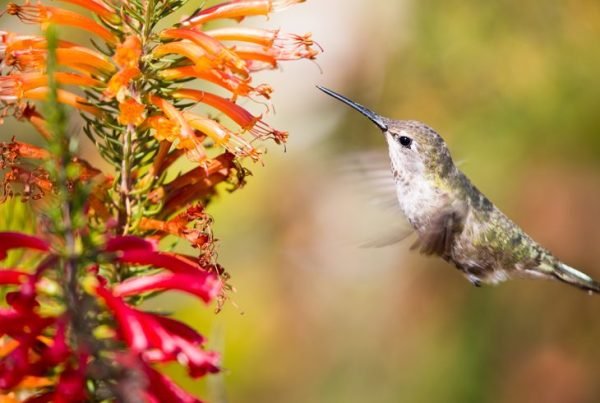
While some hummingbird species, like the Ruby-throated Hummingbird, migrate to warmer climates for the winter, not all hummingbirds leave. A few species, such as the Anna’s Hummingbird, stay year-round in certain regions, particularly along the West Coast of the U.S. These birds must be especially resourceful to survive colder temperatures.
- Local Migration Patterns: Many birds will migrate to areas where food and shelter are available, but some may stay if the winters are mild enough or if they have access to reliable food sources like feeders.
How You Can Help: The Role of Feeders
Providing supplemental food through hummingbird feeders is one of the most important ways to help these birds survive the winter months. While they typically rely on nectar and insects for food, your feeders can be a critical lifeline.
1. Keep Feeders Stocked with Fresh Nectar
Hummingbirds need constant energy to maintain their body temperature, especially during cold months. By keeping a hummingbird feeder stocked with fresh nectar, you can help ensure they have access to the calories they need.
- Homemade Nectar Recipe: Mix 1 part white sugar with 4 parts water to create a safe and nutritious nectar. Boil the water to dissolve the sugar, then cool it before filling the feeder. Avoid using honey, artificial sweeteners, or red dye, as these can harm the birds.
- Regular Refilling: In freezing temperatures, nectar can freeze quickly. Check your feeders daily and refill them as necessary. You can also use feeders with built-in ant moats to prevent freezing.
2. Provide Warmth and Shelter
Hummingbirds, like other birds, need shelter from the cold wind and snow. While they can survive chilly temperatures in torpor, they still need protection from harsh weather elements.
- Placement of Feeders: Hang feeders in sheltered spots away from strong winds, such as near trees or on porches. This will protect the birds while they feed, especially during storms.
- Additional Shelter: Providing evergreen plants, dense shrubs, or other structures where the birds can take shelter will help them feel safer during colder months.
3. Use Hummingbird Feeder Heaters
In areas with extremely cold winters, you can use specialized hummingbird feeder heaters to keep nectar from freezing. These heaters wrap around your feeder and use gentle warmth to ensure the nectar stays liquid, even in below-freezing temperatures.
- Solar-Heated Feeders: Another option is solar-powered feeders, which use the sun’s energy to keep the nectar warm during the day.
Why Winter Feeders Are So Important
As the weather gets colder and natural nectar sources begin to dwindle, your hummingbird feeder becomes even more important. Migrating birds passing through may also stop for a meal, making it essential that your feeder be well-stocked and accessible.
In addition to providing nectar, your feeder helps hummingbirds by offering them a predictable and reliable food source. This is particularly important for birds that are staying in the area through the winter months, as they can otherwise struggle to find enough calories to stay active.
Caring for Your Feeder in Winter
Taking care of your hummingbird feeder during the colder months is important to ensure that it’s both functional and safe for the birds:
- Clean the Feeder Regularly: Bacteria and mold can grow quickly in nectar, so cleaning the feeder is essential. Wash your feeder with hot water and mild soap every time you refill it, especially during cold weather.
- Avoid Overfilling: In freezing weather, nectar may freeze before it can be consumed. Only fill the feeder halfway to prevent waste and ensure the birds can drink before the nectar freezes.
- Keep it Free from Ice: If temperatures drop dramatically, you may need to use warm water to gently thaw frozen nectar or switch to a new feeder if the current one has frozen over.
Conclusion
Hummingbirds may be small, but they are incredibly resilient. By understanding how they cope with the cold and providing supplemental food and shelter during the winter months, you can help these magnificent creatures survive until spring returns. Whether they’re migrating or staying in your area, hummingbirds will appreciate your support. By keeping your feeders stocked, your garden safe, and your nectar fresh, you can play an essential role in ensuring their survival through the cold season.
Resources and Photos to Include:
- A photo of a hummingbird feeding from a winterized feeder.
- A step-by-step guide on how to make hummingbird nectar.
- A photo showing a hummingbird resting in a sheltered garden.
- A video or diagram explaining the importance of torpor in hummingbirds.
- A photo of a solar-powered feeder or heated hummingbird feeder in action.
By offering your care and support, you’ll help these tiny marvels continue to brighten your winter with their beauty and grace.