The Myths and Facts About Feeding Hummingbirds: What You Need to Know
Hummingbirds are enchanting little creatures that can bring magic to any garden. However, there are many myths and misconceptions surrounding their feeding habits and care. Let’s debunk some of the most common myths and provide the facts you need to make sure you’re doing the best for your feathered friends.
Myth 1: Leaving a Feeder Out Too Long Will Cause Hummingbirds to Stay Too Late
Fact: Hummingbirds are highly migratory birds, and their departure is primarily driven by instinct, not the presence of a feeder. They migrate based on the changing length of daylight and the availability of food in their natural habitat, not simply because a feeder is still available. Leaving a feeder out longer than necessary will not delay their migration, and it may actually help them by providing extra food during their journey.
Tip: If you live in an area where hummingbirds are migrating, it’s important to continue providing food until you’re sure the birds have passed through your area. Typically, leave feeders up through October or early November, depending on your location.
Myth 2: Hummingbirds Only Need Sugar Water
Fact: While sugar water is an important food source for hummingbirds, it’s not the only thing they eat. Hummingbirds also rely on insects and spiders for protein, which is essential for their health. These small creatures help the birds get the necessary nutrients they need for growth, reproduction, and energy. Additionally, they visit flowers for nectar, which provides a variety of natural sugars, amino acids, and other vitamins.
Tip: Alongside your hummingbird feeders, plant native flowering plants that produce nectar and attract insects. This creates a more natural and balanced food environment for the birds.
Myth 3: Hummingbirds Will Become Dependent on Feeders and Won’t Know How to Forage for Nectar
Fact: Hummingbirds are incredibly resourceful and skilled foragers. They don’t become dependent on feeders, as they are naturally drawn to flowers, trees, and shrubs that provide nectar. Feeders simply serve as an additional and reliable food source, especially during migration or times when natural nectar is scarce due to weather or environmental factors.
Tip: Providing feeders can actually help the birds by offering a steady food source when natural nectar is harder to find. Be sure to clean the feeders regularly to keep them safe and appealing.
Myth 4: Hummingbird Feeders Need to Be Filled with Red Dye to Attract Birds
Fact: Red dye in nectar is unnecessary and potentially harmful to hummingbirds. Commercial feeders are usually red, which naturally attracts hummingbirds, but there is no need to add dye to the nectar. In fact, some dyes can cause digestive problems for birds and may even be toxic in high concentrations. The best nectar is a simple homemade mix of 1 part white sugar to 4 parts water—no red dye needed!
Tip: Always use plain white cane sugar and water to make your nectar. If you want to attract more hummingbirds, place your feeder near brightly colored flowers, which naturally catch their attention.
Myth 5: Hummingbirds Can Survive on Only Sugar Water
Fact: While sugar water is an important part of a hummingbird’s diet, it doesn’t provide everything they need. Hummingbirds require protein and other nutrients that they get from small insects, such as gnats and aphids, and even spider webs. These insects provide essential nutrients that sugar water cannot supply, particularly for the birds’ growth and reproductive health.
Tip: To support hummingbirds’ nutritional needs, consider planting flowers that attract insects or providing a habitat where small bugs can thrive. If you have a yard, avoid using pesticides that can harm the tiny insects that hummingbirds rely on.
Myth 6: You Should Only Feed Hummingbirds During Winter or Migration
Fact: Hummingbirds need food year-round, not just during migration or winter. In many regions, hummingbirds stay all year long, especially in the southern U.S. or mild climates. While migrating birds do rely heavily on feeders during their journey, non-migrating species also benefit from a consistent food source throughout the year.
Tip: Keep your feeders up year-round if you live in a region where hummingbirds stay during the winter. Make sure the nectar doesn’t freeze by bringing the feeders inside overnight or using heated versions to keep the nectar from freezing.
Myth 7: It’s Harmful to Offer Hummingbird Feeders in the Summer Heat
Fact: Hummingbird feeders are completely safe to use in the summer heat, as long as they are properly maintained. Heat can cause nectar to ferment quickly, leading to mold growth that can harm the birds. Regular cleaning is key to keeping the nectar fresh and safe for the birds. A good rule of thumb is to clean and refill feeders every 3-5 days during hot weather.
Tip: To slow fermentation, place your feeders in a shaded area where they won’t be exposed to direct sunlight. If you notice any signs of mold or fermentation, clean your feeder immediately and replace the nectar.
Conclusion
Feeding hummingbirds is a wonderful way to connect with nature and support these incredible creatures, but it’s important to separate myths from facts. By understanding the true needs of hummingbirds and following the proper feeding practices, you can ensure these tiny visitors are getting the nutrition they need and can safely enjoy their time in your garden.
Photos to Add:
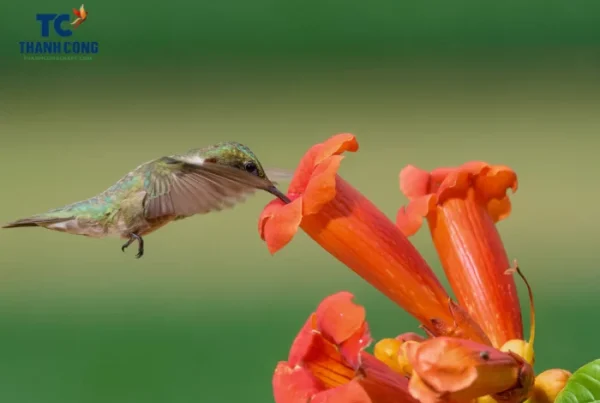
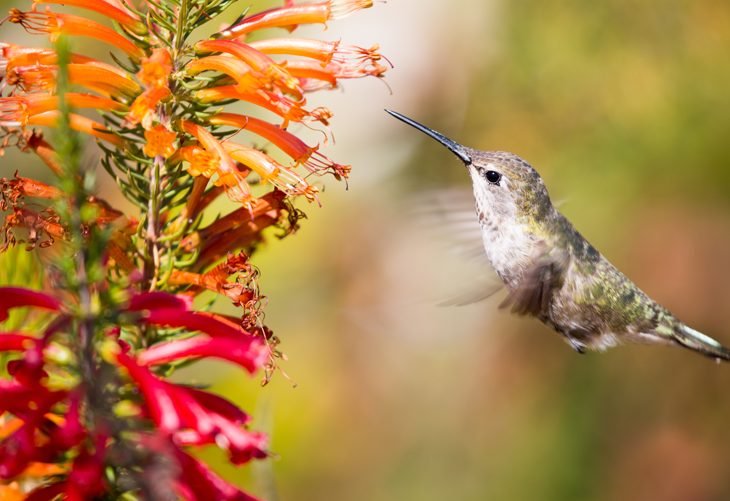
- A vibrant hummingbird feeding from a red flower (to show their attraction to color).
- A hummingbird perched near a clean, filled feeder.
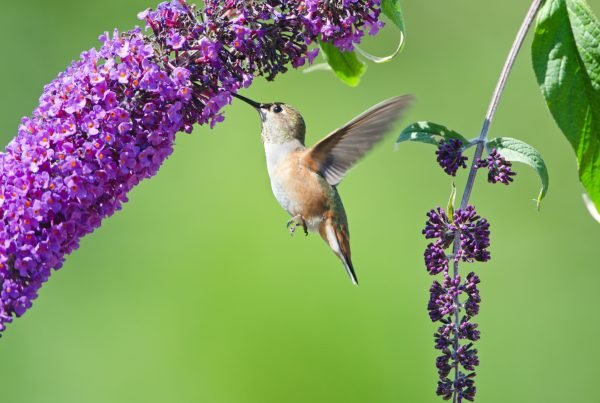
- A close-up of a hummingbird sipping nectar from a natural flower.
- A shot of a hummingbird in mid-flight, with a clear view of their tiny size and beauty.
By following the facts, you’re doing your part in ensuring that hummingbirds stay healthy and happy! 🌿🐦