
The Best Plants for Attracting Hummingbirds to Your Garden
Hummingbirds are a delight to have in your garden, with their vibrant colors and mesmerizing flight patterns. But to attract these beautiful creatures, you need to create a welcoming environment filled with the right plants. Hummingbirds are particularly drawn to bright, tubular flowers that offer easy access to nectar. If you’re looking to transform your garden into a hummingbird haven, here are some of the best plants to include and a few tips on making your space even more inviting.
Why Do Hummingbirds Love Certain Plants?
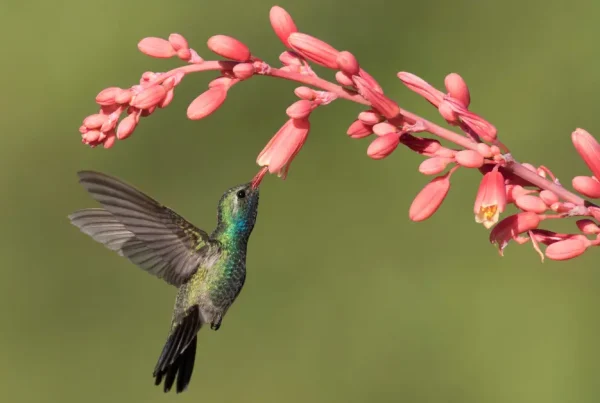
Hummingbirds are attracted to plants for several reasons:
- Color: Hummingbirds are most drawn to red, orange, and pink flowers, though they may also visit purple or blue blooms.
- Shape: Tubular flowers with a narrow opening are perfect for hummingbirds, as their long bills and specialized tongues allow them to reach deep into the flowers for nectar.
- Nectar: Flowers with abundant nectar are the primary food source for hummingbirds, providing the energy they need for flight.
Let’s take a closer look at the best plants to attract these little beauties to your garden.
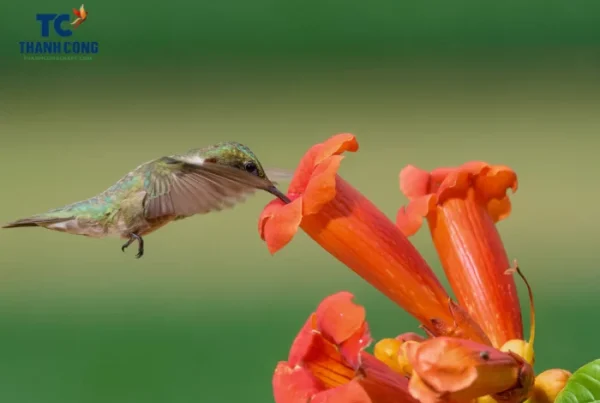
1. Trumpet Vine (Campsis radicans)
Trumpet vine is a favorite among hummingbirds, thanks to its large, bright orange-red tubular flowers. The long flowers are easy for hummingbirds to access, and the plant blooms profusely in late summer, providing plenty of nectar.
Growing Tip: Plant trumpet vine in a sunny spot with well-drained soil. Be mindful that it can be a vigorous grower, so prune it regularly to maintain shape.
2. Bee Balm (Monarda didyma)
Bee balm produces clusters of tube-shaped flowers in shades of red, pink, and purple, which hummingbirds adore. It’s also highly fragrant, attracting not only hummingbirds but also bees and butterflies.
Growing Tip: Bee balm thrives in full sun or partial shade and prefers moist, well-drained soil. Deadhead spent blooms to encourage more flowers throughout the season.
3. Fuchsia (Fuchsia spp.)
Fuchsia flowers are well-known for their striking colors and bell-shaped appearance, making them a favorite nectar source for hummingbirds. They come in shades of pink, red, purple, and white, and their pendulous flowers are easy for hummingbirds to hover near.
Growing Tip: Fuchsias prefer partially shaded spots and well-drained, slightly acidic soil. In colder climates, grow them as annuals or in containers, so you can bring them indoors during the winter.
4. Red Hot Poker (Kniphofia uvaria)
Also known as the torch lily, the red hot poker plant produces tall, tubular flowers in fiery shades of red, orange, and yellow. Hummingbirds are drawn to these flowers for their abundance of nectar.
Growing Tip: Red hot poker plants grow well in full sun and can tolerate a range of soil types. They are drought-tolerant once established but will perform best with moderate moisture.
5. Salvia (Salvia spp.)
Salvia is a top choice for attracting hummingbirds, with its tubular flowers in a variety of colors, including red, purple, and pink. This perennial is especially effective at attracting hummingbirds during their migration.
Growing Tip: Plant salvia in full sun with well-drained soil. They are drought-tolerant and require minimal maintenance, making them perfect for low-care gardens.
6. Coral Honeysuckle (Lonicera sempervirens)
The coral honeysuckle produces clusters of tubular flowers in shades of red, orange, and yellow, which are highly attractive to hummingbirds. Unlike the invasive Japanese honeysuckle, this native plant is perfect for creating a safe and healthy environment for hummingbirds.
Growing Tip: Coral honeysuckle thrives in full sun to partial shade and prefers well-drained, slightly acidic soil. It can be trained on a trellis or fence for a stunning vertical display.
7. Zinnia (Zinnia spp.)
While zinnias are not tubular in shape, they are still very attractive to hummingbirds because of their bright, vibrant colors. They come in a wide range of colors, including red, pink, orange, and yellow, and their large, flat blooms are easy for hummingbirds to access.
Growing Tip: Zinnias thrive in full sun and can tolerate drought once established. They are best planted in well-drained soil, and regular deadheading encourages more blooms.
8. Hummingbird Sage (Salvia spathacea)
Hummingbird sage is a native perennial that produces tall spikes of purple flowers that hummingbirds find irresistible. Its aromatic foliage is also a bonus for attracting other pollinators like bees and butterflies.
Growing Tip: Hummingbird sage prefers full sun to partial shade and well-drained soil. It’s drought-tolerant once established and can be used in xeriscape gardens.
9. Lavender (Lavandula spp.)
Lavender is known for its soothing fragrance and beautiful purple flowers, which are highly attractive to hummingbirds. The flowers are small and clustered, making it easy for hummingbirds to feed from multiple blooms at once.
Growing Tip: Lavender thrives in full sun and well-drained soil. It prefers dry conditions, so avoid overwatering, and prune regularly to maintain its shape.
10. Morning Glory (Ipomoea spp.)
Morning glories produce vibrant, funnel-shaped flowers in shades of blue, purple, red, and pink, making them irresistible to hummingbirds. These fast-growing vines can quickly cover trellises, fences, and arbors.
Growing Tip: Morning glories thrive in full sun and well-drained soil. They are annuals in cooler climates but can self-seed, offering a perennial display in the right conditions.
Tips for Creating a Hummingbird-Friendly Garden
- Plant in Clusters: Hummingbirds prefer a dense, concentrated source of food. Plant several of the same flowers in clusters to attract more hummingbirds.
- Choose Native Plants: Native plants are better suited to your local climate, and they provide the most beneficial nectar for hummingbirds.
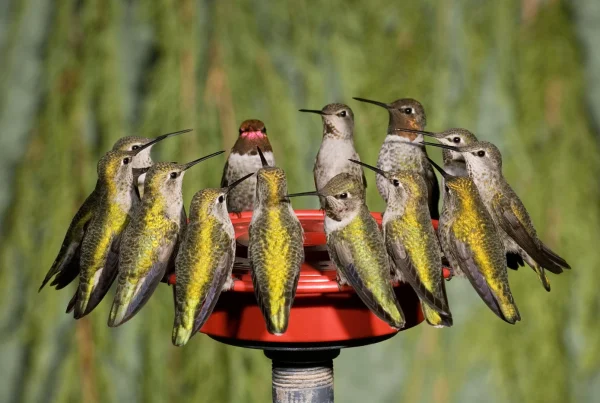
- Provide Water: Hummingbirds need water, too! Install a birdbath with a shallow dish or a small, moving water feature to create an inviting environment.
- Avoid Pesticides: Use organic methods to control pests, as chemical pesticides can be harmful to hummingbirds and other pollinators.
- Provide Shelter: Plant shrubs or small trees nearby to offer shelter from predators and resting spots for the birds.
Conclusion: Creating a Vibrant Garden for Hummingbirds
By incorporating a variety of hummingbird-friendly plants into your garden, you’ll not only help support these incredible creatures but also create a beautiful and dynamic space filled with color and life. From the vibrant hues of trumpet vines to the delicate blooms of fuchsias, your garden will become a haven for hummingbirds and other pollinators. So, start planting today, and enjoy the magic of watching hummingbirds flit about your yard!
Photos to Add:
- A vibrant shot of a hummingbird feeding from a trumpet vine.
- Close-up of a bee balm flower with a hummingbird hovering near it.
- A garden filled with a mix of colorful, hummingbird-friendly plants.
- A shot of a hummingbird perched on a branch near blooming flowers.
With these plants and tips, you’re well on your way to creating a garden that hums with life and color all season long. 🌸💫