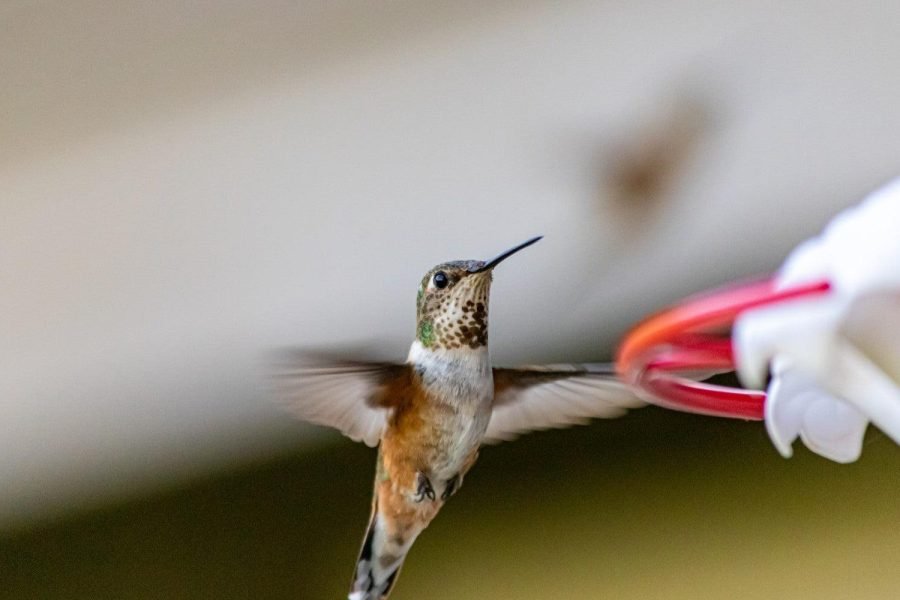
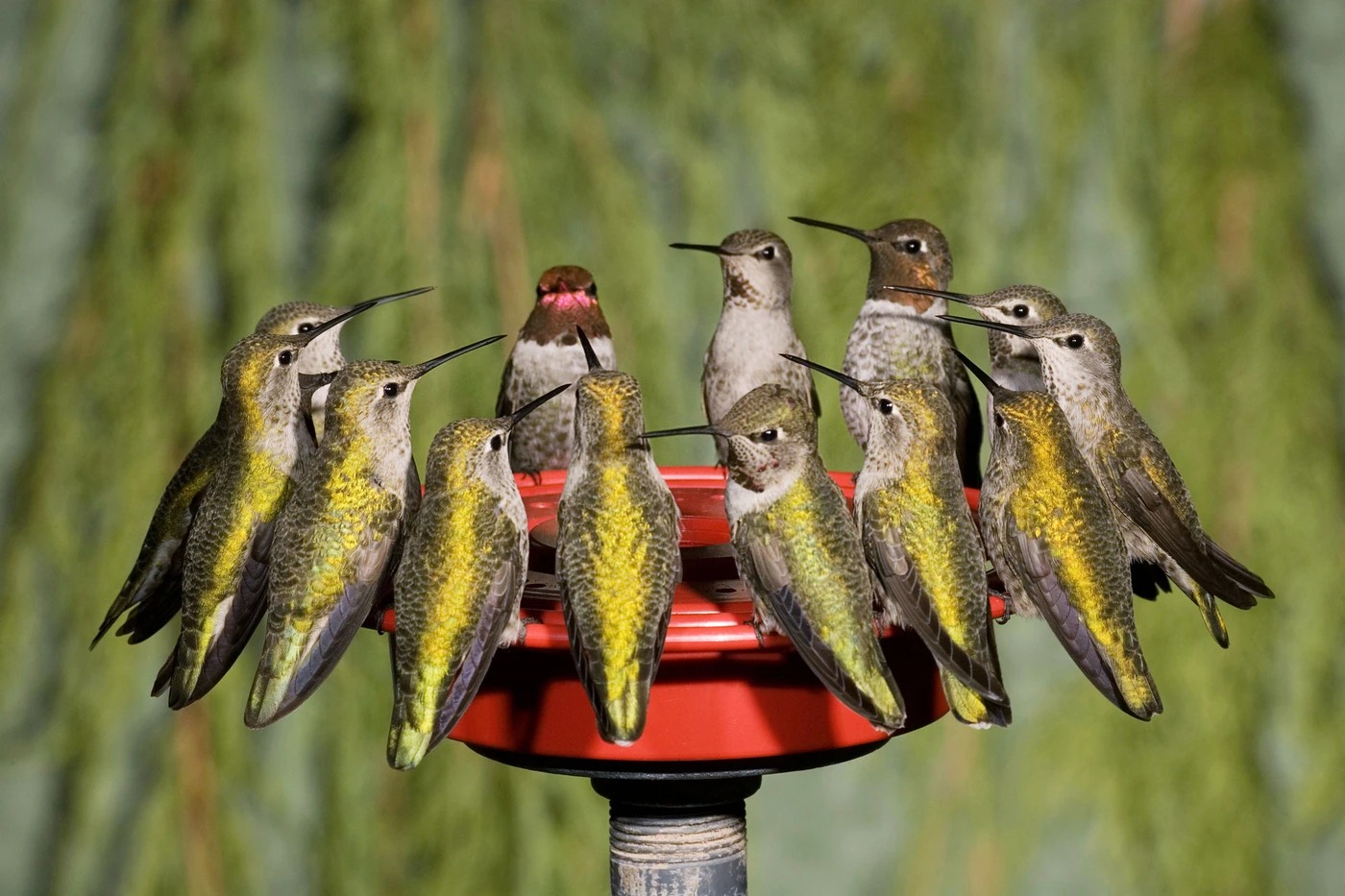
Hummingbirds are one of the most fascinating and agile creatures to grace our gardens. Known for their vibrant colors, rapid wing beats, and unique ability to hover in mid-air, they bring life and energy to any outdoor space. But what many people may not realize is that providing supplemental food through hummingbird feeders is crucial to their well-being, particularly during their migration and nesting seasons.
In this blog post, we explore why hummingbird feeders are an essential addition to your yard and how they can benefit these tiny yet mighty birds.
The Role of Hummingbird Feeders in Their Diet
Hummingbirds primarily feed on nectar from flowers, which provides them with the essential sugars they need for energy. They also consume insects and spiders for protein. However, while native flowering plants are the best natural food source for hummingbirds, these birds face significant challenges when flowers are scarce, especially during migration and nesting seasons. That’s where hummingbird feeders come in.
By offering a well-maintained feeder, you’re supplementing their diet and ensuring they have access to the nutrition they need, even when natural sources are not abundant. A feeder can provide much-needed sustenance to hummingbirds as they pass through your area or nest in your yard.
Why Supplemental Food Is Important During Migration
Hummingbirds migrate long distances between their breeding grounds and winter habitats, often traveling thousands of miles. During this arduous journey, these tiny birds rely on nectar to fuel their flights. Migration can be especially challenging when flowers are few, and feeders become an invaluable resource.
Providing a hummingbird feeder during migration offers these birds a safe and easy source of food, allowing them to replenish their energy reserves and continue their journey. Hummingbirds have an exceptional sense of direction and timing, and they’re instinctively drawn to reliable food sources like feeders. By placing a feeder in your yard, you play an important role in supporting these travelers during their most vulnerable times.
The Importance of Feeders During Nesting Season
In addition to supporting migrating hummingbirds, feeders are also vital during nesting season. Female hummingbirds, who are responsible for building and maintaining the nest, need extra energy to nourish themselves while incubating their eggs. Insects provide some protein, but nectar is the primary energy source.
Having a feeder available during this time ensures that the mother hummingbird doesn’t have to expend energy searching for nectar, which allows her to focus on her nesting duties. Furthermore, a consistent food supply helps her maintain the energy required to care for her young once the eggs hatch.
Keeping Hummingbirds Safe: Avoiding Harmful Ingredients
While providing food is essential, it’s equally important to offer the right type of nectar. Hummingbird feeders should be filled with a simple mixture of refined white sugar and water—no artificial sweeteners, no red dye, and no honey. Honey and molasses can be harmful to hummingbirds, and red dye can contain chemicals that are toxic to these delicate creatures.
The best recipe is a 1:4 ratio of sugar to water—1 part sugar to 4 parts water. Boil the mixture to dissolve the sugar, and let it cool before filling the feeder. Be sure to clean the feeder regularly to prevent mold or bacteria growth, which can pose a risk to the birds’ health.
The Benefits of Hummingbird Feeders for Your Yard
In addition to supporting hummingbird migration and nesting, having a hummingbird feeder in your yard offers several benefits:
- Attracts more wildlife: Hummingbird feeders can attract other beneficial creatures to your garden, including bees and butterflies, which help pollinate your plants.
- Creates a peaceful atmosphere: Watching hummingbirds feed is a calming and peaceful experience, allowing you to connect with nature in a meaningful way.
- Enhances your garden’s beauty: The presence of vibrant, colorful hummingbirds adds to the aesthetic appeal of your garden, making it a lively, dynamic space.
- Educational opportunities: A hummingbird feeder can serve as a wonderful educational tool for children and adults alike, sparking curiosity about these fascinating birds and their role in the ecosystem.
How to Create a Hummingbird-Friendly Yard
While hummingbird feeders are a great way to supplement their diet, you can also take other steps to make your yard even more inviting to these birds. Here are a few tips:
- Plant native flowering plants: Choose flowers that naturally attract hummingbirds, such as trumpet vines, bee balm, and columbine.
- Provide shelter: Plant trees or shrubs where hummingbirds can rest and hide from predators.
- Add a water feature: Hummingbirds are drawn to moving water. A birdbath or fountain with a gentle stream is perfect for attracting these birds.
Conclusion: Supporting Hummingbirds in Your Own Yard
By adding a hummingbird feeder to your yard, you’re helping these incredible birds thrive during some of their most critical times of the year. Whether it’s during migration, nesting season, or when natural nectar sources are scarce, your feeder will provide them with the nourishment they need to continue their journey and maintain their energy. A hummingbird feeder is not just a functional addition to your yard—it’s an opportunity to become part of the larger effort to protect and preserve these tiny wonders of nature.
To get started, check out our hummingbird feeder collection and learn more about creating a hummingbird-friendly space in your yard.
Resources:
- “How to Make Hummingbird Nectar”: A detailed guide on making your own hummingbird nectar at home.
- “The Best Plants for Attracting Hummingbirds”: A list of plants that will naturally draw hummingbirds to your yard.
- “Setting Up and Maintaining Your Hummingbird Feeder”: Tips for ensuring your feeder is safe and effective for attracting hummingbirds.
Photos to Add:
- A close-up shot of a hummingbird feeding from a brightly colored feeder.
- A shot of a garden with flowers in bloom, showing the ideal environment for hummingbirds.
- An image of a hummingbird hovering near a feeder, capturing the beauty of their flight.
With these simple steps and a little love for nature, you’ll be able to provide a welcoming environment for hummingbirds and ensure their well-being throughout the year. 🌸🕊️
4o mini