Seasonal Care for Hummingbird Feeders: When to Put Them Out and Take Them Down
Hummingbirds are fascinating creatures that rely on feeders for sustenance, especially during their long migrations. To ensure that these tiny visitors have access to the nourishment they need, it’s important to place and care for your hummingbird feeders according to the seasons. Here’s a guide on when to put your feeders out and take them down, based on regional migration patterns, along with seasonal care tips.
When to Put Out Hummingbird Feeders
Hummingbird migration patterns vary by region, but the general rule is to have your feeder ready for when the birds pass through. Here’s when to put your feeders out based on the season and your location:
- Spring (March – May):
- Migrating Birds: Spring is when most hummingbirds are returning from their winter migration. In the U.S., the most common species, like the Ruby-throated Hummingbird, return around late March to early April, depending on the weather and their migratory path.
- When to Put Feeders Out: You should put your hummingbird feeders out by early April in the southern parts of the U.S. and by mid-May in the northern regions, like the Northeast and Midwest. This gives migrating birds a reliable food source when they arrive.
- Summer (June – August):
- Peak Feeding Season: This is the prime season for hummingbirds, as many birds are nesting, raising young, and feeding frequently. Ensure that your feeders are well-stocked with fresh nectar.
- When to Keep Feeders Out: During summer, keep your feeders out to support local hummingbirds. Ensure they’re cleaned regularly, as heat can cause nectar to ferment quickly.
- Fall (September – November):
- Migrating Birds: Hummingbirds begin their journey southward to escape colder weather. You may notice fewer birds as fall progresses, but it’s crucial to keep your feeders out for those still migrating.
- When to Take Feeders Down: You should keep your feeders up until late October or early November, depending on your location. For regions with warmer climates, leave the feeders out until the end of the month to support late-migrating birds.
When to Take Down Hummingbird Feeders
Once hummingbirds have migrated, it’s important to remove your feeders to prevent attracting other wildlife and to keep them from spoiling in the winter months.
- Winter (December – February):
- Hummingbird Migration: By the time winter sets in, most of the hummingbirds will have migrated to warmer climates. However, a few species, like Anna’s Hummingbirds, may stay in southern regions, so leave the feeders up in warmer areas.
- When to Take Feeders Down: If you live in regions where hummingbirds do not overwinter (northern states), take your feeders down by early November to avoid attracting pests like ants, wasps, or mold growth. In warmer climates, you can leave feeders out but ensure they are cleaned regularly.
Caring for Feeders During Different Seasons
- Spring and Summer Care:
- Cleaning: In warm weather, nectar can ferment and spoil quickly. Clean your feeder every 3-5 days during the summer and ensure the nectar is fresh.
- Location: Place your feeders in a shady spot to slow the fermentation process and protect the nectar from direct sunlight.
- Ant and Bee Protection: In the warmer months, ants and bees may be attracted to the nectar. Consider using an ant moat or bee guard to keep these pests at bay.
- Fall Care:
- Monitor for Migration: As the birds begin to migrate south, you might see fewer visitors at your feeder. Keep the feeders filled, especially in early fall, to provide nourishment to those still migrating.
- Keep Feeders Up: Continue offering food through October and November, even if the visits become less frequent. Some late-migrating hummingbirds may stop by for a refuel before their journey south.
- Winter Care (for Warmer Climates):
- Nectar Management: If you live in a region where hummingbirds overwinter (like southern California or parts of Texas), continue to refill the feeders with nectar. In cold temperatures, you may need to use a feeder with a built-in heater or bring the feeder inside at night to prevent the nectar from freezing.
- Cleanliness: Winter can be harsh on feeders, and any nectar left in the cold can spoil quickly. Ensure you clean your feeder regularly to avoid mold and bacterial growth.
Additional Seasonal Tips
- Avoid Red Dye: While many feeders have red coloring, it’s important to avoid adding red dye to your nectar. It’s unnecessary and may harm the birds. Natural nectar with a 1:4 ratio of sugar to water is sufficient.
- Offer Natural Alternatives: During the peak summer months, complement your feeders with native plants that attract hummingbirds, such as trumpet vine, bee balm, and salvias. These plants provide additional food sources for birds.
Conclusion
Providing food for migrating and local hummingbirds is essential for their survival, and understanding when to put out and take down your hummingbird feeders ensures they have the best care. By following seasonal care guidelines, you can keep your feeder healthy and ready to welcome these beautiful creatures all year long.
Whether you’re preparing for their arrival in spring or ensuring their safe journey during fall migration, keeping your feeders clean and well-stocked will help create a safe space for hummingbirds to thrive.
Photos to Add:
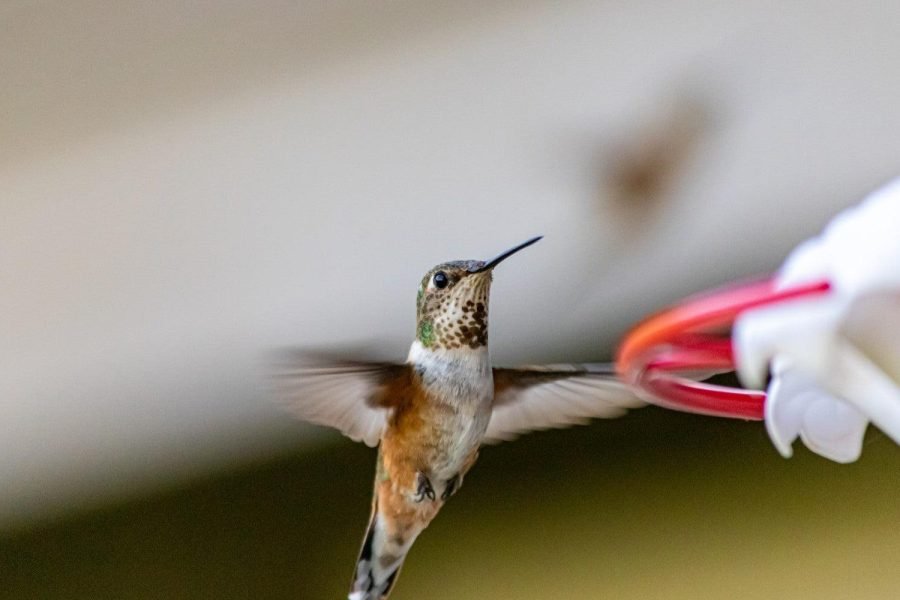
- A photo of a hummingbird feeding in the spring.
- An image of a hummingbird feeder surrounded by blooming flowers during summer.
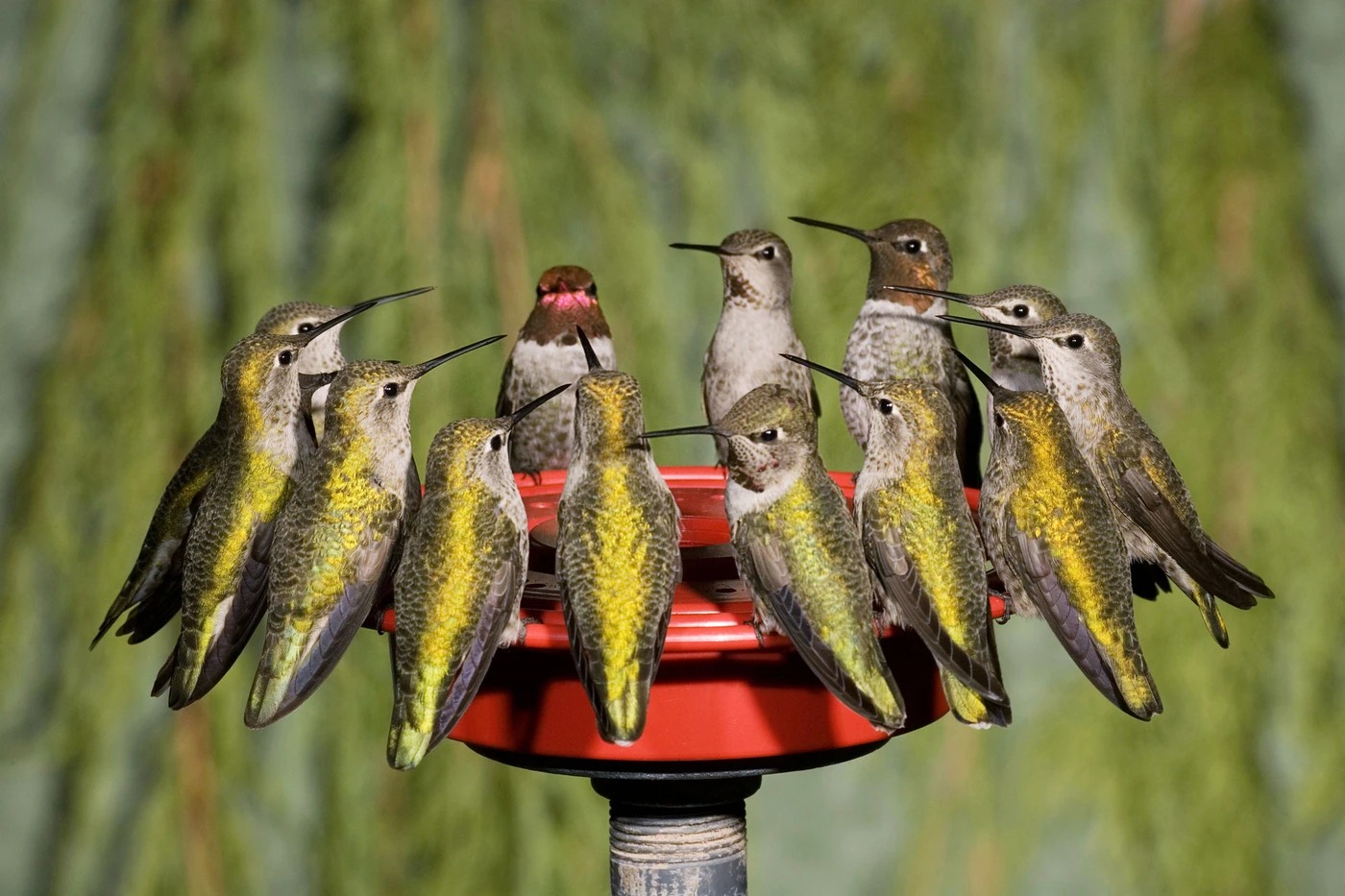
- A shot of a hummingbird perched on a feeder during autumn.
- A photo of a winter-ready hummingbird feeder with a heater or in a protected spot.
With the right care, you can support hummingbirds year-round and enjoy the beauty they bring to your garden! 🌸🐦