
How to Attract Hummingbirds to Your Feeder
Hummingbirds are incredibly beautiful creatures, and it’s a real treat to watch them flutter around your garden. However, attracting them to your feeders requires more than just setting them up. The key is to make your garden and feeders irresistible to these tiny, energetic birds. Here are some effective strategies for luring hummingbirds to your feeders.
1. Choose the Right Feeder
The first step in attracting hummingbirds is selecting a feeder that suits their needs. Opt for a feeder that’s designed to cater to their feeding habits.
Key Features to Look For:
- Small feeding ports: Hummingbirds have tiny bills, so choose a feeder with small feeding holes that allow the birds to sip comfortably.
- Built-in ant moat: This keeps ants away from the nectar, ensuring the feeder remains clean and safe for the birds.
- Wide mouth for easy cleaning: Hummingbirds need fresh nectar, so regular cleaning is important. A wide-mouthed feeder makes cleaning and refilling easy.
2. Position Your Feeders Correctly
The location of your feeder is crucial in attracting hummingbirds. Here are a few tips for optimal placement:
- Place the feeder in a shaded area: Direct sunlight can cause the nectar to spoil quickly, so try to hang the feeder in a shady spot where it’s cooler, but still visible to the birds.
- Hang feeders at eye level: Hummingbirds are more likely to notice your feeder if it’s at eye level. This allows you to enjoy watching them and also makes it easier for the birds to find the food.
- Choose a quiet and safe spot: Place the feeder in an area free from predators, like cats or large birds, to ensure the hummingbirds feel safe while feeding.
3. Use the Right Colors
Hummingbirds are attracted to bright, vibrant colors.
Color Tips:
- Red: Hummingbirds are especially drawn to the color red, so a red feeder will catch their attention from a distance. You can also plant red or orange flowers to attract them.
- Bright hues: Along with red, hues like orange, pink, and purple are also highly attractive to hummingbirds.
- Avoid artificial dye: Do not add red dye to nectar; it can be harmful to the birds. Many feeders already have red coloring built into their design.
4. Offer Fresh Nectar
Fresh nectar is vital for attracting hummingbirds. You can easily make your own nectar by mixing 1 part white sugarto 4 parts water. Boil the water to dissolve the sugar, and allow it to cool before filling your feeder.
Nectar Tips:
- Don’t use honey or artificial sweeteners: These can cause fermentation or harm the birds.
- Change the nectar regularly: In warmer months, clean and refill the feeder every 2-3 days to prevent the nectar from fermenting.
- Don’t overfill: Only fill the feeder about halfway to reduce the chances of spoilage if the birds don’t drink it all.
5. Create a Hummingbird-Friendly Garden
Attracting hummingbirds isn’t just about feeders; you can also create a welcoming environment with plants that naturally attract them.
Plants to Consider:
- Bee Balm (Monarda): Known for its bright red, pink, or purple flowers, this plant is a hummingbird favorite.
- Trumpet Vine (Campsis radicans): This flowering vine produces bright orange or red tubular flowers that are perfect for hummingbirds.
- Salvia: These flowers come in vibrant shades of red, purple, and pink and are a big hit with hummingbirds.
- Columbine: This plant offers delicate, bell-shaped flowers that hums with nectar.
- Zinnias and Petunias: These flowers are bright and easy to grow in most gardens, and they attract hummingbirds due to their color and nectar content.
Additional Garden Tips:
- Cluster plants together: Hummingbirds prefer dense clusters of flowers, which help them find food sources easily.
- Choose native plants: Native plants are more likely to attract local hummingbirds and thrive in your environment.
- Avoid pesticides: Pesticides can harm hummingbirds and the insects they rely on for protein, so choose organic or natural methods for pest control.
6. Use a Perch
Hummingbirds are often seen perched between feeding sessions. Adding a perch to your feeder can help attract more birds, as they like to rest between sips.
Perch Tips:
- Choose a feeder with built-in perches: Many modern hummingbird feeders come with small perches that allow the birds to rest comfortably while feeding.
- Place a separate perch nearby: If your feeder doesn’t have a perch, you can hang a small branch or install a separate perch nearby to give the birds a place to rest.
7. Be Patient
It can take some time for hummingbirds to find your feeder. Don’t be discouraged if they don’t come right away. Once the birds discover a reliable food source, they will return regularly. Patience is key when attracting these wonderful creatures.
8. Avoid Disturbing the Birds
Once hummingbirds start visiting, try to avoid sudden movements near the feeder. These tiny birds are easily startled, and loud noises or fast motions may scare them away.
Conclusion
By using these strategies, you’ll be well on your way to attracting more hummingbirds to your yard. Remember that a combination of the right feeder, nectar, plants, and careful placement can make your garden an irresistible stop for these beautiful birds. Enjoy the magic of hummingbirds and share their beauty with friends and family.
Photos to Add:
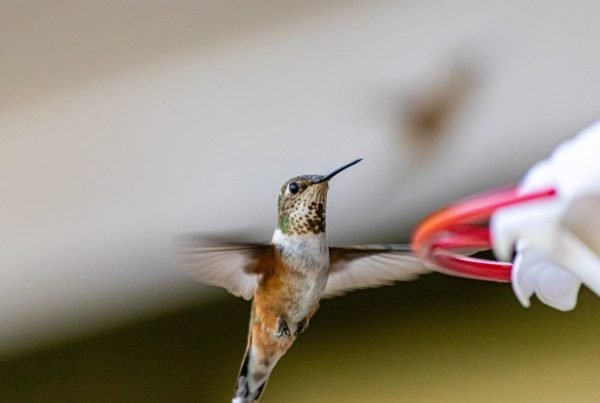
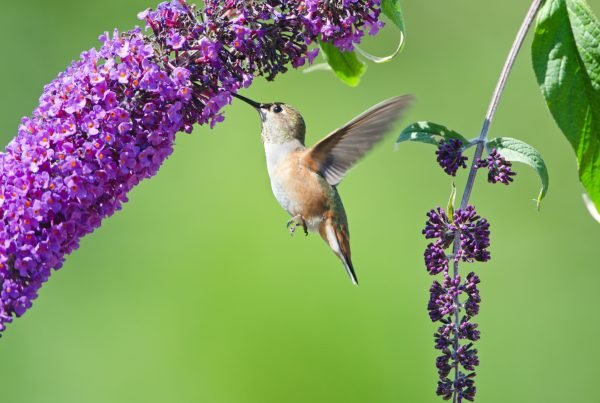
- A close-up of a hummingbird feeding from a brightly colored flower or feeder.
- A wide shot of a garden filled with hummingbird-friendly plants.
- A feeder with a perched hummingbird nearby.
- A vibrant flower garden featuring trumpet vines or bee balm.
Happy birdwatching! 🐦🌺