
The Role of Hummingbirds in Nature: Why They’re More Than Just Beautiful Creatures
Hummingbirds are often admired for their dazzling colors, iridescent feathers, and remarkable flying abilities. However, their importance goes far beyond their beauty. These tiny, energetic creatures play a crucial role in the natural world, especially in the areas of pollination and maintaining biodiversity. Let’s explore how hummingbirds contribute to ecosystems and why they are vital for the environment.
Hummingbirds as Pollinators
One of the most significant roles hummingbirds play in nature is their contribution to pollination. As they feed on nectar, they transfer pollen from one flower to another, facilitating the reproduction of many plant species. Here’s why hummingbirds are exceptional pollinators:
1. Unique Pollination Abilities
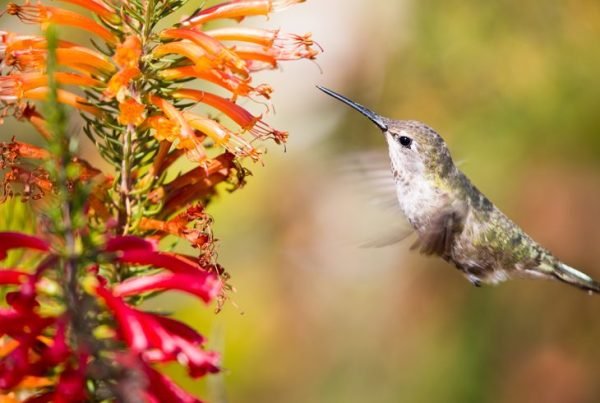
Unlike other pollinators, such as bees and butterflies, hummingbirds are specialized for pollinating tubular flowers. These flowers often have bright colors (especially red, pink, and orange), which are attractive to hummingbirds and allow them to access the nectar more easily. Their long, specialized beaks and tongues enable them to reach the nectar deep within these flowers.
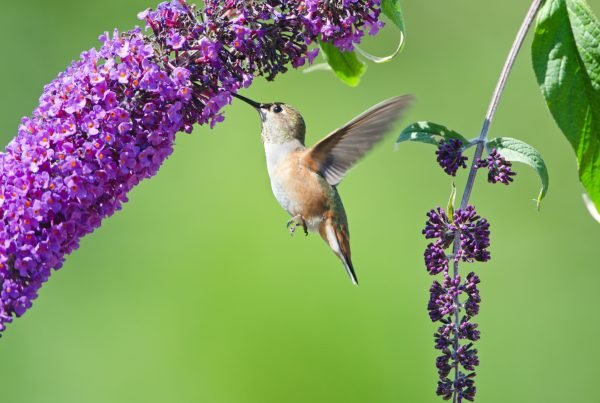
- How Hummingbirds Pollinate: As hummingbirds insert their beaks into flowers to access nectar, their heads brush against the flower’s reproductive parts, transferring pollen. When they move to another flower, they carry pollen with them, thus facilitating the cross-pollination process.
- Plant and Flower Diversity: Hummingbirds pollinate a wide range of plants, many of which are native species. This helps ensure genetic diversity within plant populations and promotes a healthy, varied ecosystem.
2. Facilitating Ecosystem Health and Food Chains
Pollination by hummingbirds helps maintain the health of ecosystems and food chains. When plants are pollinated, they produce seeds, fruits, and other reproductive structures that provide food for many other species. This supports a wide array of animals, from insects to mammals, that depend on these plants for sustenance.
- Supporting Other Wildlife: The plants that hummingbirds pollinate often serve as food sources for other wildlife, including insects, mammals, and even other birds. By facilitating plant reproduction, hummingbirds help nourish the animals in the ecosystem.
- Biodiversity and Resilience: Hummingbirds contribute to maintaining biodiversity, the variety of life in an ecosystem. A rich biodiversity makes ecosystems more resilient to diseases, pests, and environmental changes. Through their pollination work, hummingbirds help ensure that a variety of plant species thrive, providing a stable foundation for the entire food web.
Hummingbirds and Plant Evolution
Hummingbirds and plants have co-evolved over millions of years, developing a mutualistic relationship that benefits both parties. Plants with specific traits—such as bright colors, tubular shapes, and abundant nectar—attract hummingbirds, ensuring pollination. In return, hummingbirds get the nourishment they need to fuel their high metabolism.
1. Co-Evolution of Flowers and Hummingbirds
Hummingbirds have shaped the evolution of certain plant species, and vice versa. For example, some flowers have evolved to have longer and more specialized shapes to accommodate hummingbirds’ unique feeding behavior. Likewise, hummingbirds have evolved specialized traits, such as their long beaks and hovering flight, to interact with these plants.
- Adaptation for Long-Term Relationships: This evolutionary partnership has led to the development of hummingbird-friendly plants, many of which depend exclusively on hummingbirds for pollination. As a result, the presence of hummingbirds is essential for the survival of certain plant species.
The Role of Hummingbirds in Maintaining Ecological Balance
In addition to pollination, hummingbirds contribute to ecological balance in several other ways. Their feeding habits support not only plant reproduction but also natural pest control and habitat health.
1. Pest Control
Hummingbirds eat more than just nectar. They also consume small insects and spiders, which helps control pest populations. While sipping nectar, hummingbirds often ingest tiny insects that are living in or near the flowers. This natural pest control helps maintain the balance of insect populations in ecosystems.
- A Natural Balance: By feeding on insects, hummingbirds help limit the spread of plant-damaging pests, maintaining the health of plants that are critical to the broader ecosystem.
2. Indicator Species
Hummingbirds are considered indicator species, meaning that their presence or absence can give valuable insight into the health of an ecosystem. A decline in hummingbird populations can signal environmental changes, such as habitat destruction, climate change, or the loss of pollinator-friendly plants.
- What Their Decline Tells Us: If hummingbirds are struggling to find food or suitable habitats, it could be a sign that larger environmental problems are at play. Monitoring hummingbird populations can help researchers and conservationists identify potential threats to ecosystems early on.
Why Protecting Hummingbirds is Crucial for Biodiversity
Given their vital role in pollination and ecosystem health, it’s important that we take steps to protect hummingbirds and their habitats. Habitat loss, climate change, and the use of harmful pesticides all threaten their survival.
1. Protecting Natural Habitats
Preserving native plants and creating more wildlife-friendly spaces will help hummingbirds maintain their role as pollinators. Gardens with native flowering plants and areas of untouched wilderness provide essential food and shelter for hummingbirds.
2. Reducing Pesticide Use
Many pesticides are harmful to hummingbirds, either directly or indirectly by killing the insects they rely on. Opting for eco-friendly pest control methods and reducing chemical use can help protect hummingbird populations.
3. Supporting Conservation Efforts
Many hummingbird species are facing threats to their survival, with some listed as endangered or at risk of extinction. Supporting hummingbird conservation efforts, such as habitat restoration, and educating others about the importance of hummingbirds, will help ensure their future in our ecosystems.
Conclusion
Hummingbirds are much more than just beautiful creatures flitting around our gardens. They are essential players in the intricate web of life, playing a key role in pollination, maintaining biodiversity, and ensuring the health of ecosystems. By protecting and supporting these incredible birds, we help protect the delicate balance of nature and the myriad species that depend on them, from plants to animals and even ourselves.
Resources and Photos to Include:
- A close-up photo of a hummingbird feeding from a flower.
- A video showing the process of hummingbird pollination.
- An infographic explaining the relationship between hummingbirds and specific plants.
- A photo of a garden designed to attract hummingbirds with native plants.
- Links to hummingbird conservation organizations and resources.
By understanding the ecological importance of hummingbirds, we can take proactive steps to protect these irreplaceable creatures and the ecosystems they help sustain.